


Description
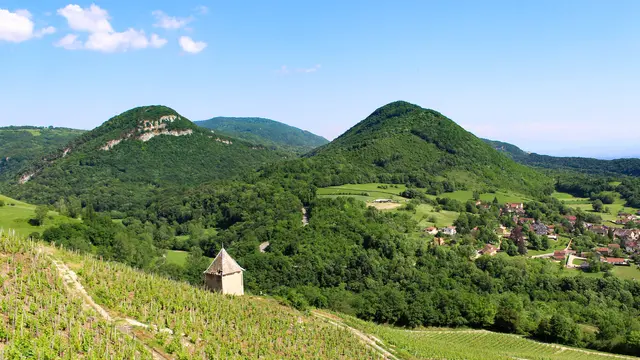
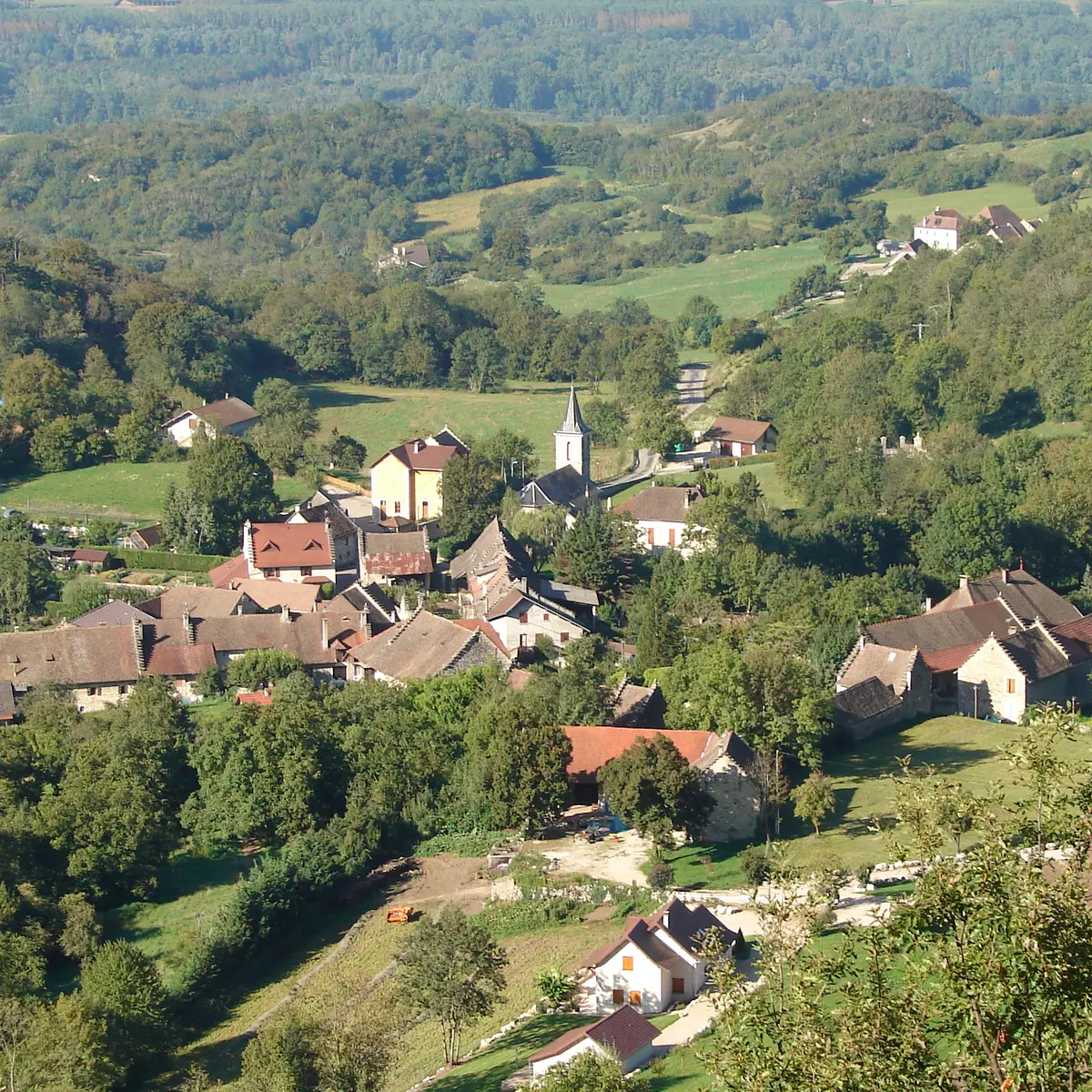
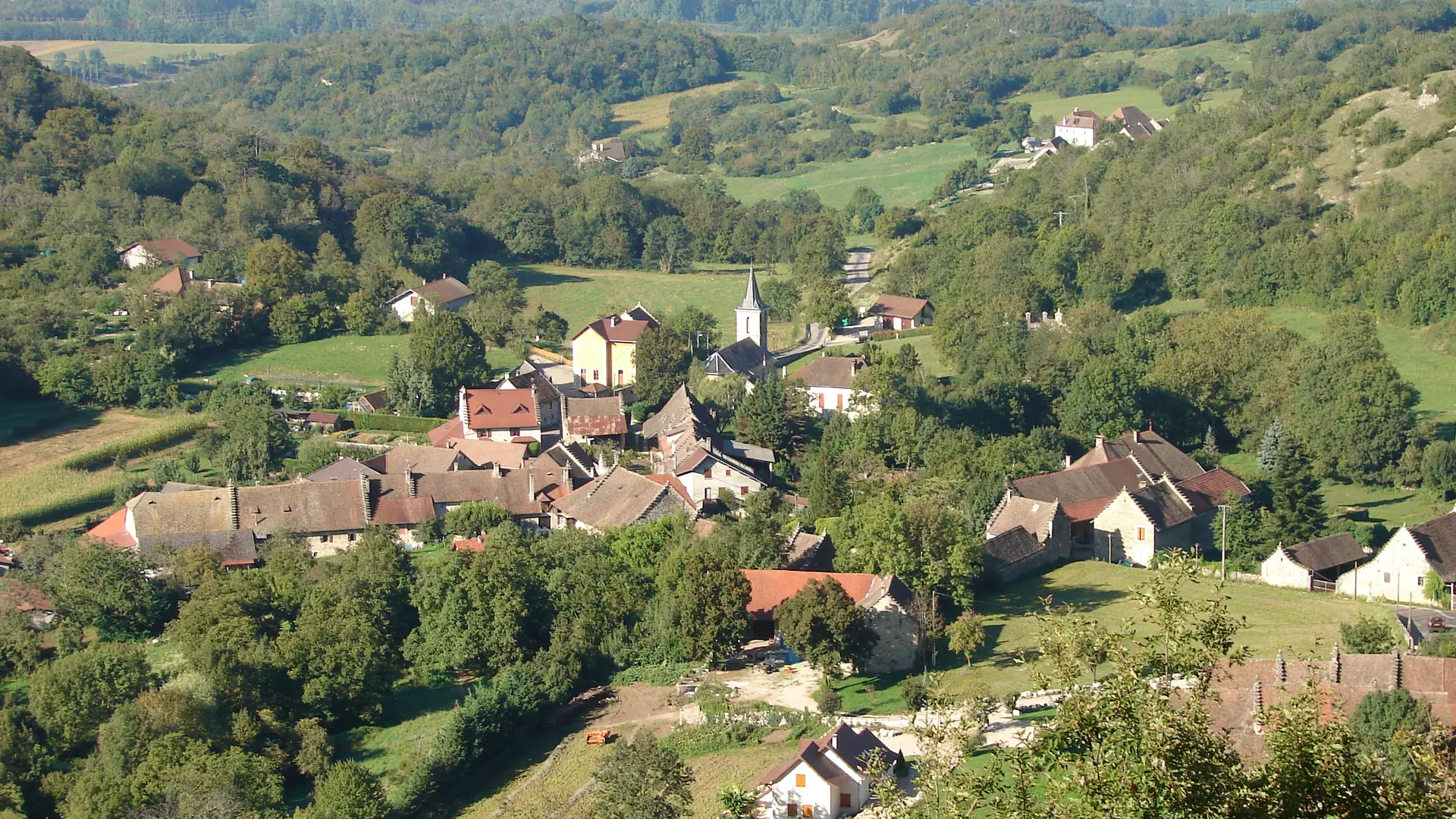
Classified as a mountain village, this community lies on the slopes of the final range of the southern Bugey.
It is highly likely that human activity dates back to prehistoric times, judging by the traces found in the Pluvis Cave. Artifacts have also been found on the plain, suggesting that there was significant activity during the Roman period.
In the Middle Ages, Pluvis was a vassal lordship of the Counts of Savoy. This lordship then passed to the House of Cordon, which retained it until the 19th century. During this period, Izieu was subject to the dual authority of the ecclesiastical feudal rule of the bishops of Belley and the House of Savoy. In 1601, under the Treaty of Lyon, Izieu and the entire Bugey region became part of France.
During World War II, Izieu was marked by the deportation of 43 Jewish children on April 6, 1944. These children had been taken in by villagers. They were taken to Auschwitz.
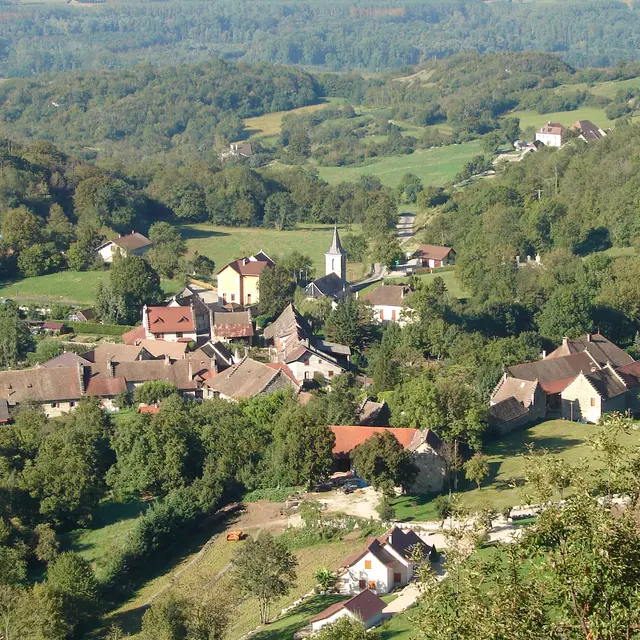
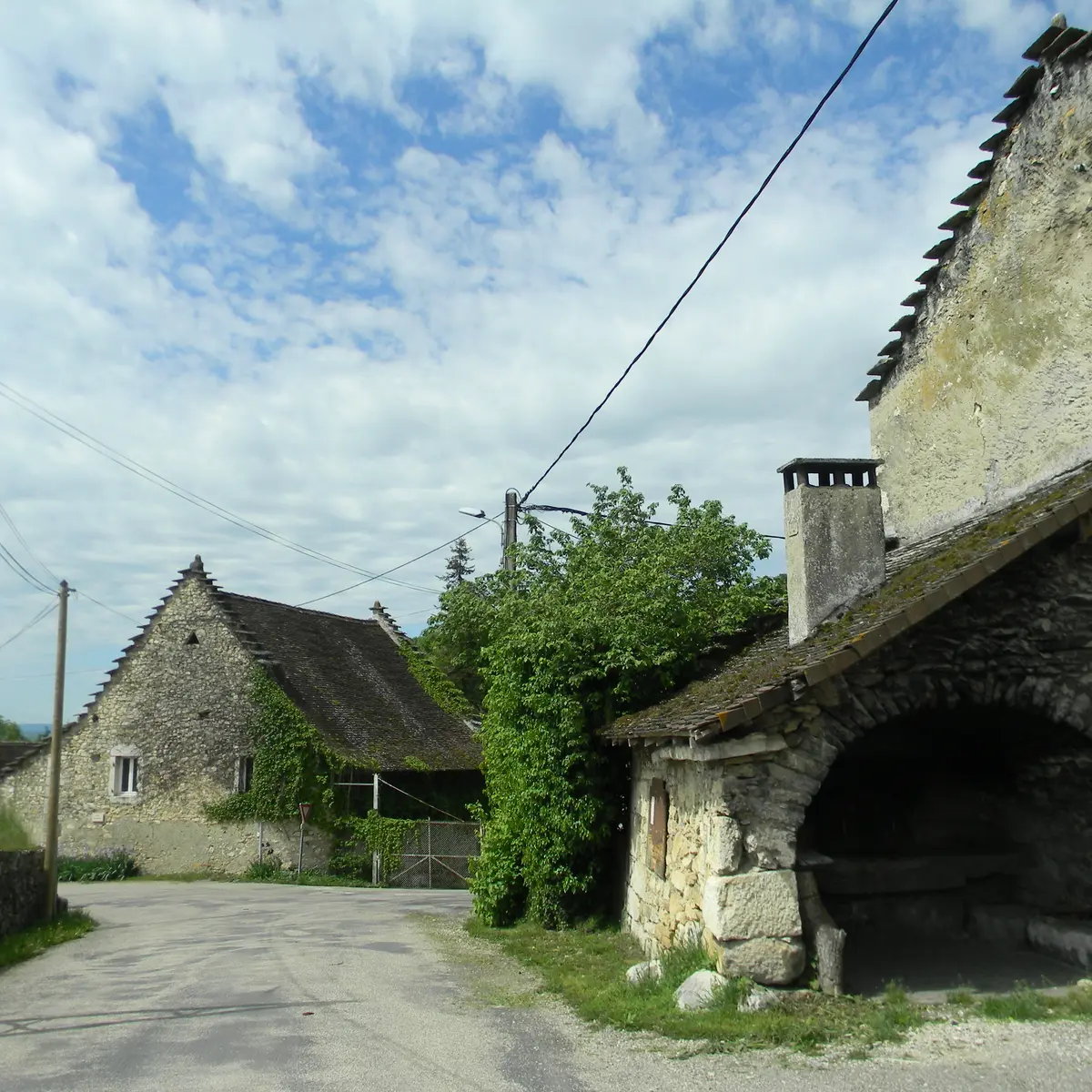
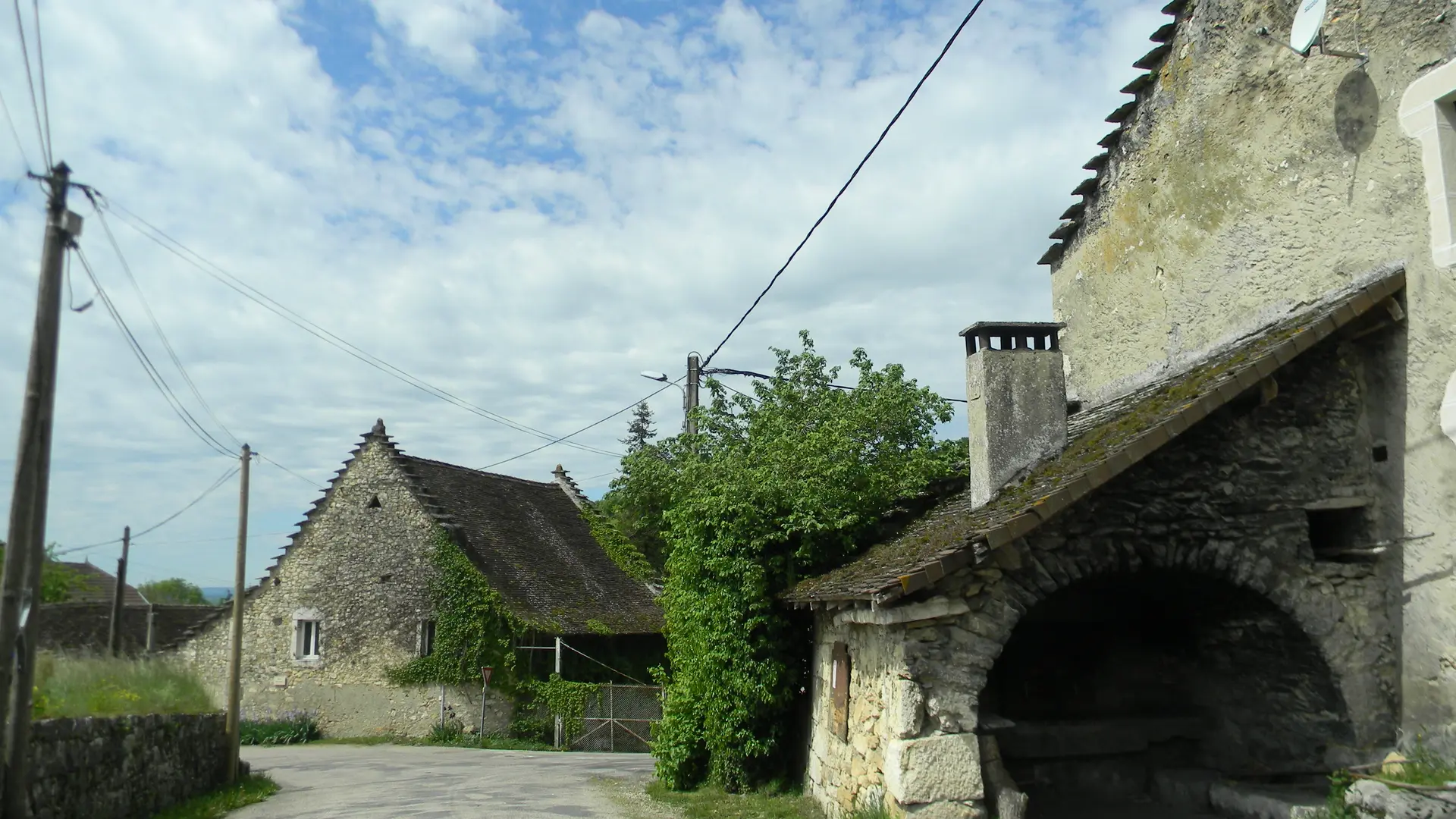
The village features beautiful, traditional houses: although they were built without an overall plan, the village gives an impression of harmony. The typical village house consists of four walls with rectangular openings. The thatched roof covers two sides of the walls, while the other two are protected by a sloping slate roof. Izieu is now a village with protected architectural heritage.
Pluvis Castle now lies in ruins, as it was used as a quarry during the construction of the village houses.
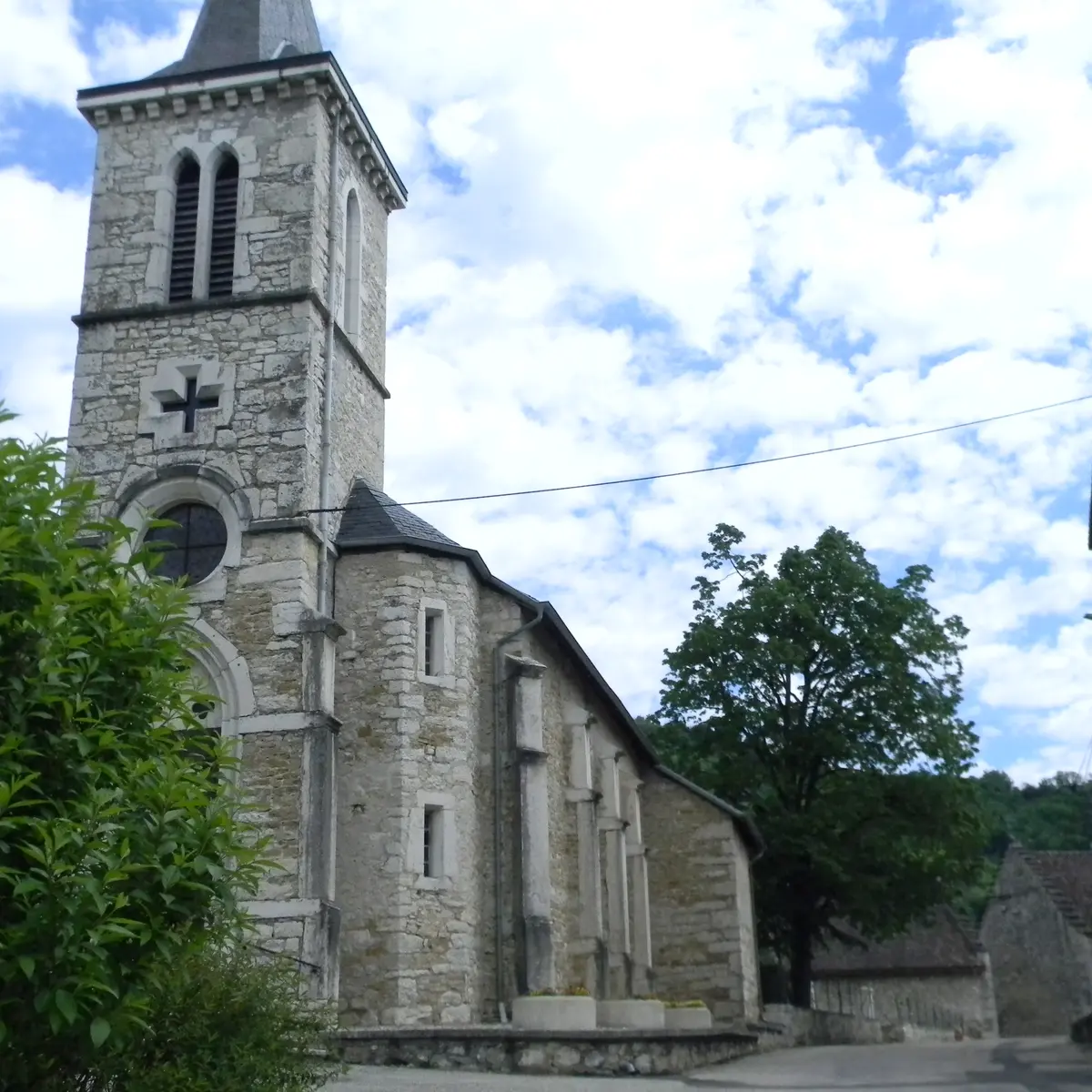
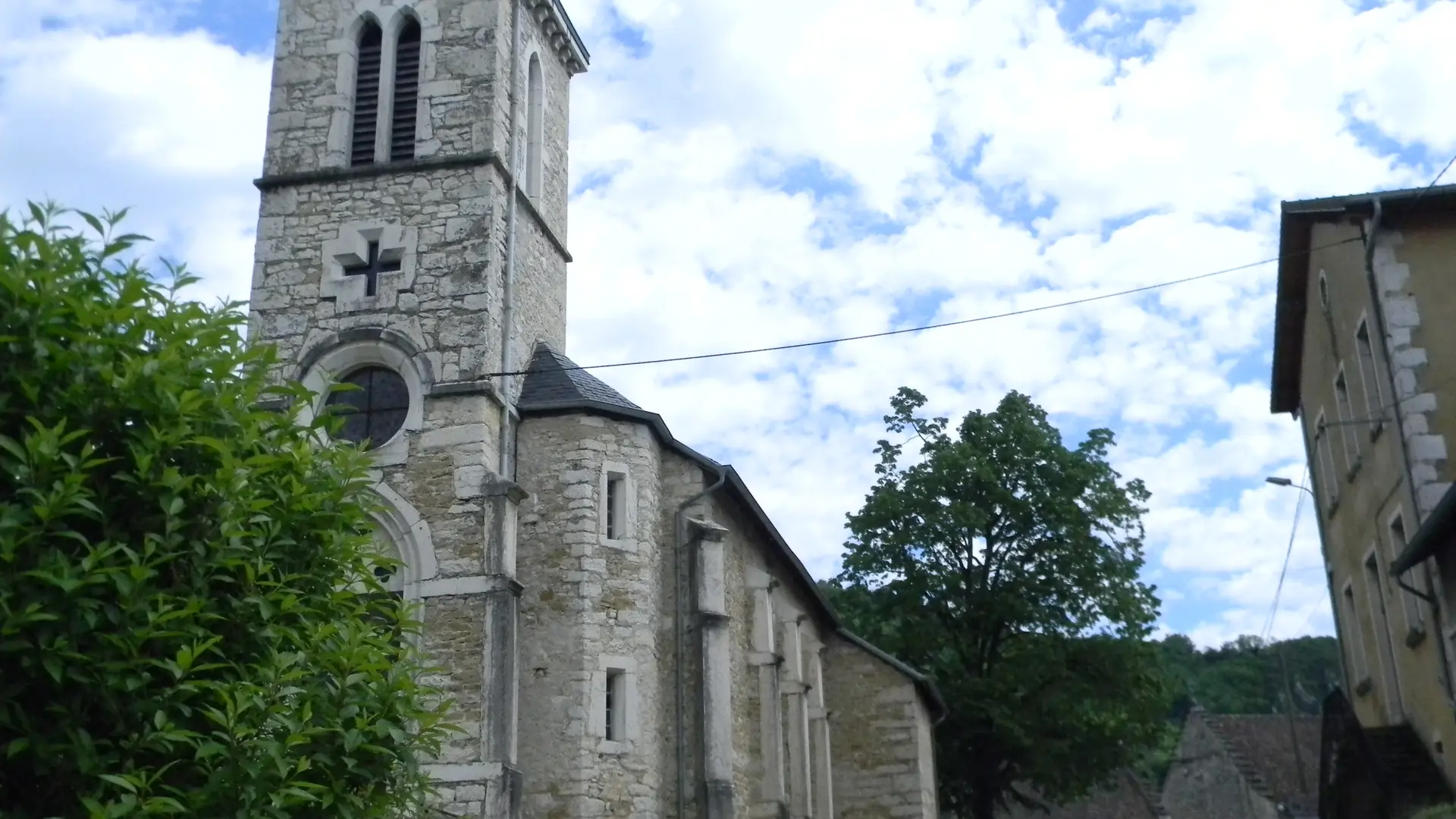
The current church in Izieu was consecrated in 1860. Built in the Neo-Gothic style, it features a chapel and a vaulted nave.
Several crosses can be found in the town: the wrought-iron cross from the old cemetery, the cross at the current cemetery, and three mission crosses.
The former rectory in Izieu is a beautiful Louis XIII-style house with an imposing fireplace.
The presbytery was built in the 19th century next to the church. It now houses a town hall meeting room and guest rooms.
The House of the Children of Izieu now serves as a memorial to the Jewish children exterminated during World War II. This beautiful Vollet-Masson building belongs to the association that manages the museum-memorial.
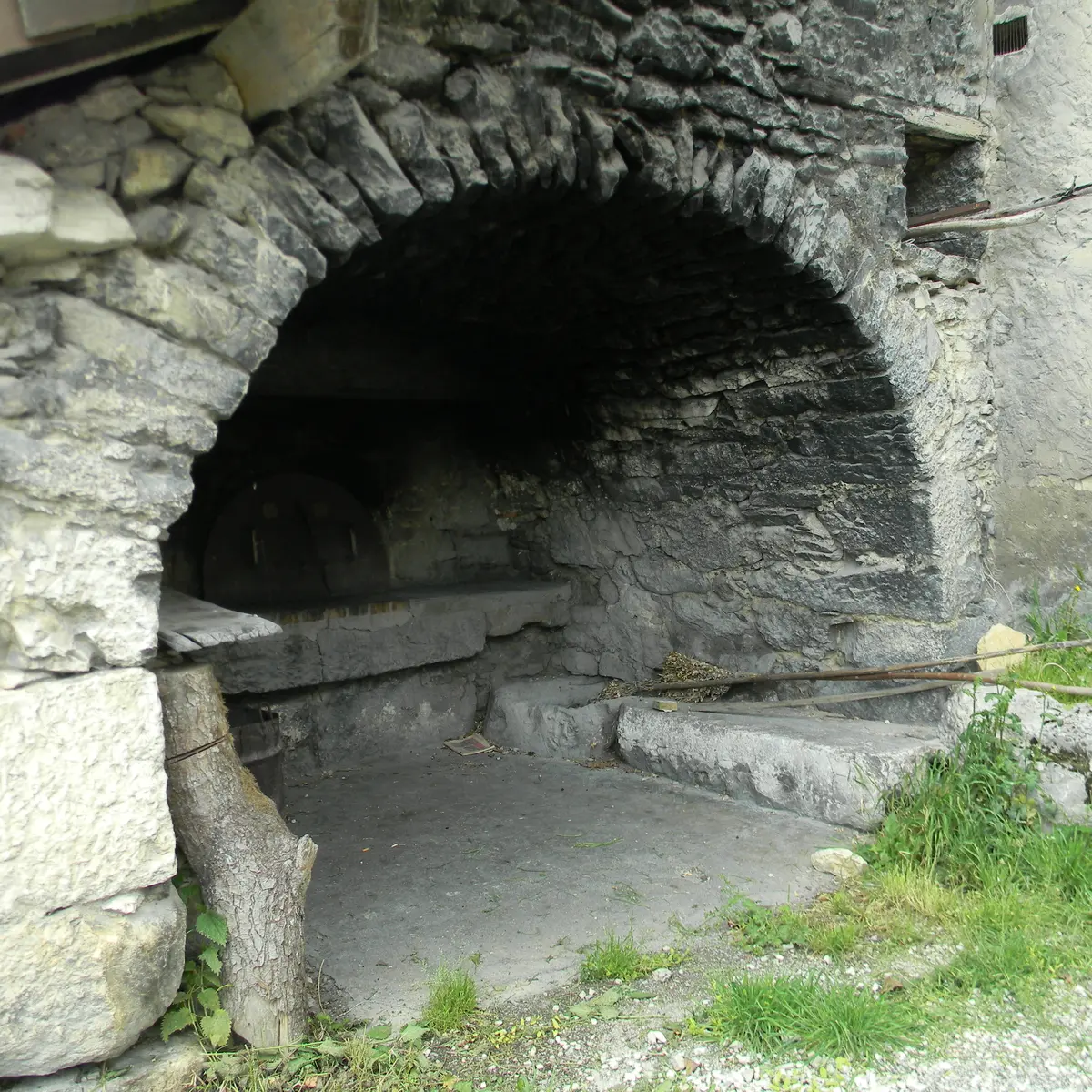
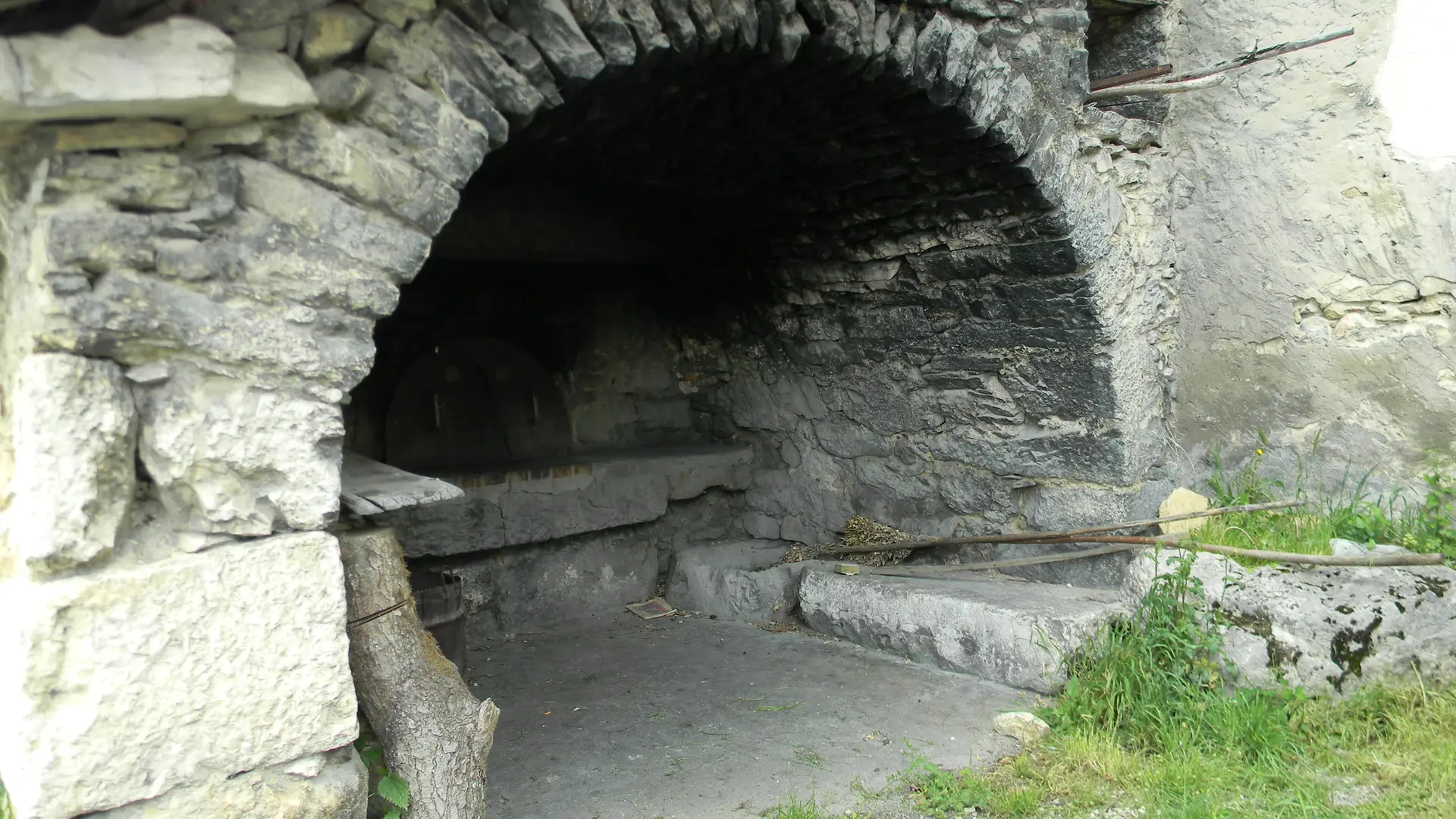
In each neighborhood, there is a oven covered with tiles and slate, which are still used during village festivals.
Location
Plan interactif : 1 lieux répertoriés.
- Lieu sans nom
Spoken languages
Spoken languages